
The page has a manifesto. The voice box needs one sentence.
A speakable block that opens with the brand will not get read. The engine skips it, or it reads the slogan and stops.
Speakable schema English APAC is the one sentence on the page that a voice answer can read aloud without rewriting you: the object, the fact, the next step.
Street-smart APAC English: short sentences a tired operator can say out loud.
This is the language companion to GEO source citation English APAC. That piece makes the source findable. This piece makes the sentence speakable.
What should the speakable sentence say?
One claim. Under 25 words. No slogan. No “we believe.”
| Job | Kill this | Say this (illustrative) |
|---|---|---|
| Define the object | “Our latest thinking on budget transparency” | “Unprogrammed appropriations are standby items funded only if extra revenue arrives.” |
| Name the clock | “Join us on this journey” | “The committee hearing is Thursday at 10am at the Batasang.” |
| Point the next step | “Learn more on our website” | “The public list of flood-control contracts is on this page.” |
| Correct a fact | “We have updated our narrative” | “We had the hearing date wrong. It is Thursday, not Wednesday.” |
If you cannot say it on a stairwell, it is not speakable.
What do you mark?
The sentence you already wrote. Not a second sentence hidden in schema.
| Field | Kill this | Say this |
|---|---|---|
| cssSelector / xpath | A div that holds the whole essay | The id on the one-sentence answer block |
| speakable text | A slogan the page does not show | The exact sentence visible above the fold |
| headline cousin | A different fight from the H1 | The same object as the H1, shorter if needed |
Kill rule: if the marked sentence is not on the page, do not ship the schema.
Why voice answers fail on APAC advocacy pages
The first paragraph is a mission. Voice boxes do not read missions. They read the line that already looks like an answer.
Pages also mark three paragraphs. Three paragraphs is a speech. One sentence is a citation.
A third failure is the local name. If the sentence says “the capital” and the hearing is in Quezon City, the answer is useless on a phone in traffic.
Where does the speakable schema English APAC line live on the page?
Above the fold. Under the H1, or as the first line of the answer block.
Not in a footer. Not inside an accordion that loads closed. Not in an image of text.
Give the block a plain id, like answer-line, so the selector is boring and stable. A theme update should not move it.
If the page has a FAQ block, the speakable line can be the first answer. It should not be a fourth version of the same answer.
What does a good line sound like out loud?
Read these two aloud (illustrative):
Weak: “We believe in a more transparent budget for every family.”
Strong: “The flood-control contract list is public on this page, sorted by province.”
The weak line has no object a listener can act on. The strong line names the thing, the place and what to do with it.
Count the breaths. One breath is the target. If a driver at a red light would lose the thread, cut it.
What if the page answers two questions?
Pick one for the speakable line. The other question gets its own FAQ answer, or its own page.
Two answers in one marked block is a paragraph again. A listener hears the first clause and loses the rest.
The busiest question wins the line. Look at what people actually type to reach the page, not what the team wishes they typed.
Who signs off the line?
The writer who owns the H1 writes the speakable line. The developer marks it. Neither rewrites the other.
The editor reads both out loud before publish: the H1, then the marked line. Same object? Same fact? Ship.
When the fact moves, the line moves first. A stale speakable line is a correction waiting to happen.
How do you test it before it ships?
Open the page source and find the marked block. Check that the text inside it is the text a reader sees.
Run the page through a structured-data validator. Fix errors. Warnings about optional fields can wait.
Then do the human test. Ask someone outside the team to read only the marked line and say what the page is about. If they guess wrong, the line is wrong.
Monday field kit
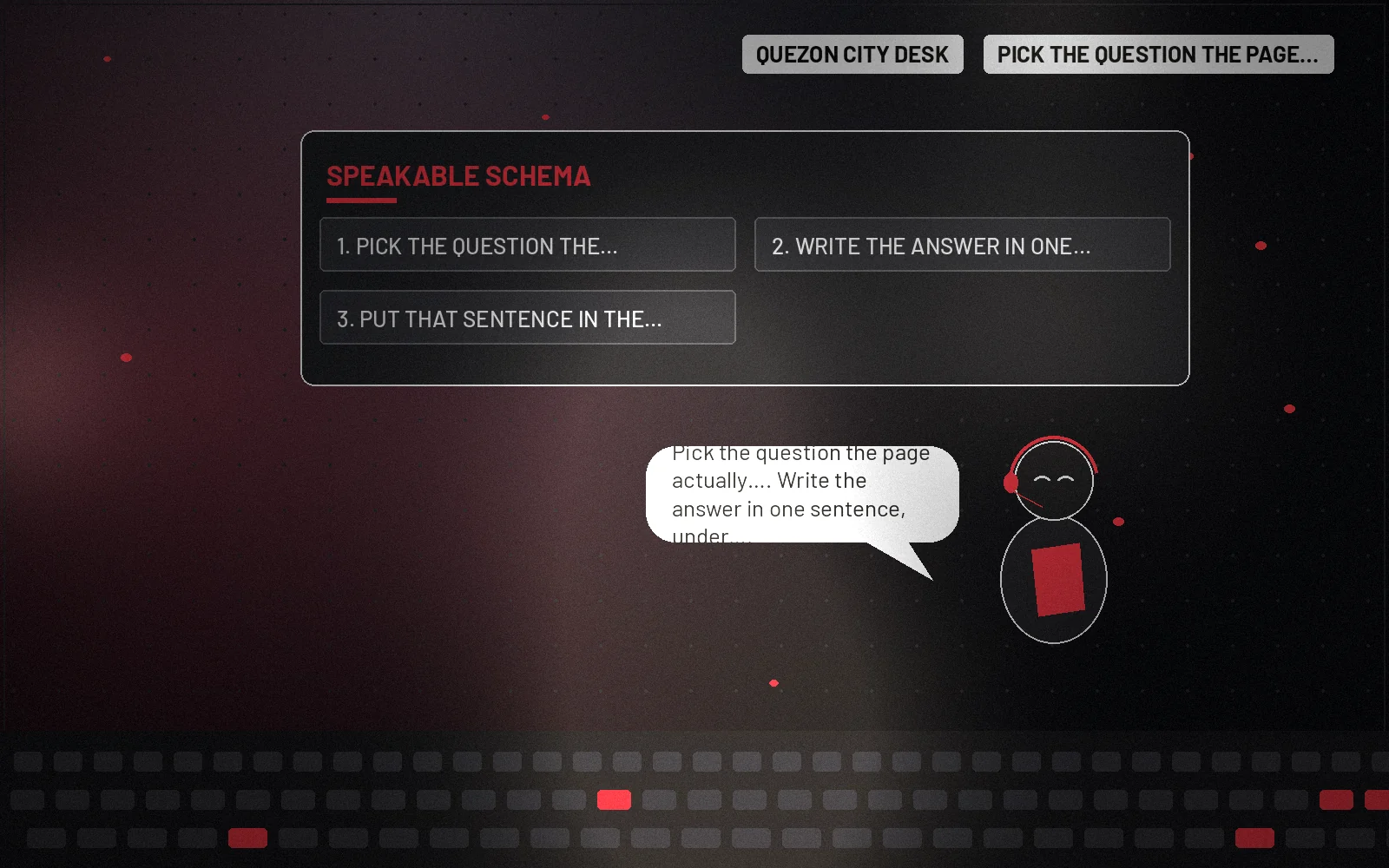
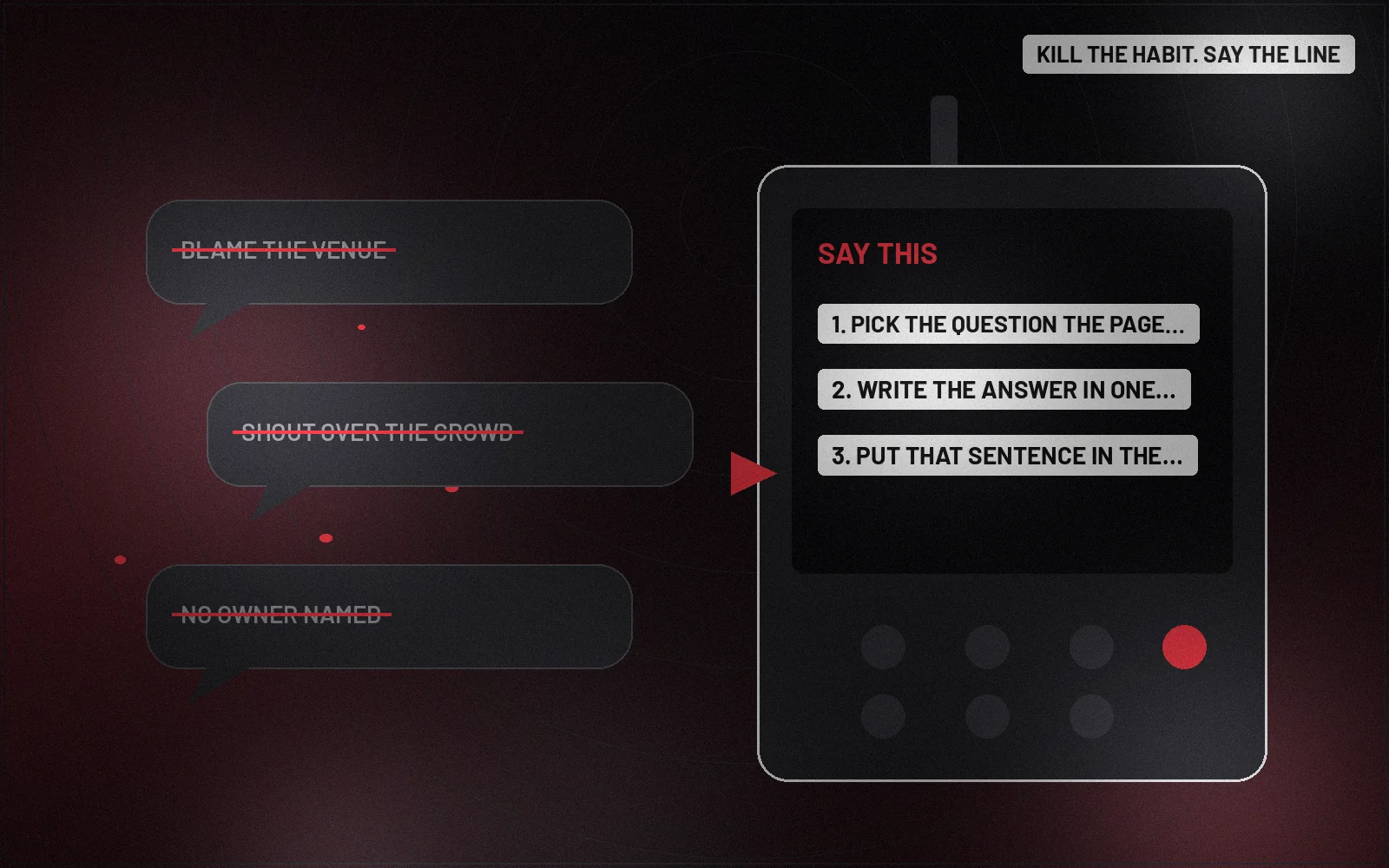
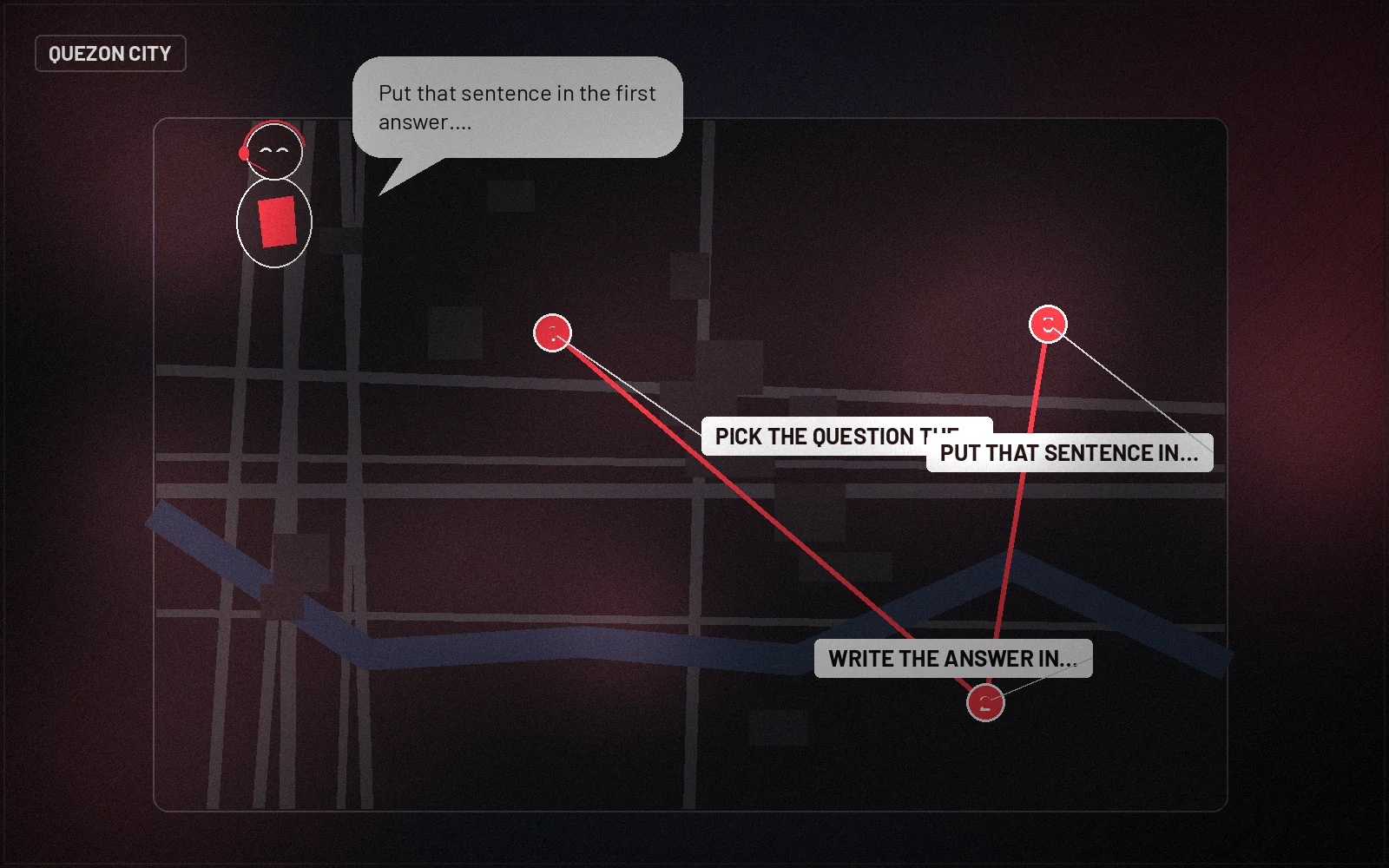
- Pick the question the page actually answers.
- Write the answer in one sentence, under 25 words.
- Put that sentence in the first answer block, visible.
- Mark only that block as speakable.
- Read it aloud. If you need a second breath, cut it.
FAQs
What is speakable schema English APAC?
It is the one visible sentence a voice answer can read, marked so the machine and the page say the same line.
Does every Insight need speakable markup?
No. Mark the page that answers a typed question. A diary post does not need a voice block.
Can the speakable line be the meta description?
It can cousin the meta. It cannot contradict it. Same object. Same fact.
Does speakable markup guarantee a voice answer?
No. It tells machines which line you would stand behind. Support varies by engine and by market, so write the line for a human listener first.
What to do this week
Open the five pages that get the most question queries. Read the first paragraph aloud. If it is a mission, write the one-sentence answer and mark only that.
Neuwark Communications writes owned-channel language under Digital & Social and Strategy & Messaging. If your schema still quotes the slogan, talk to us at Contact. More language companions live in Insights.
Communications craft, not legal advice. Have counsel check any marked line that makes a claim about a named person, a contract or a legal process.
Related: GEO source citation English APAC · FAQPage schema English APAC · NewsArticle schema English APAC · AI Overview source English