
Feeds play on mute. Shares strip your thread.
Image caption English is the one line under the picture that still carries the object if the sound is off and the preview is all they see. Claim or object first. Source second. Hashtags last, if at all.
Street-smart APAC English: short sentences a tired operator can say out loud.
This is a companion to our Reel caption English, which cuts a stump speech into burned lines for video on mute. That piece is about moving pictures. This one is about the still picture and the single line under it.
What goes in line one of an image caption English post?
The same fight as the picture. Not a greeting. Not a quote-tweet of your own manifesto.
Line one is the only line most people read. Some feeds cut the rest behind a “more” tap. A share can drop your thread and keep only the picture and a fragment of text. Write line one as if it will travel alone, because often it will.
| Kill this | Why it fails | Say this (illustrative) |
|---|---|---|
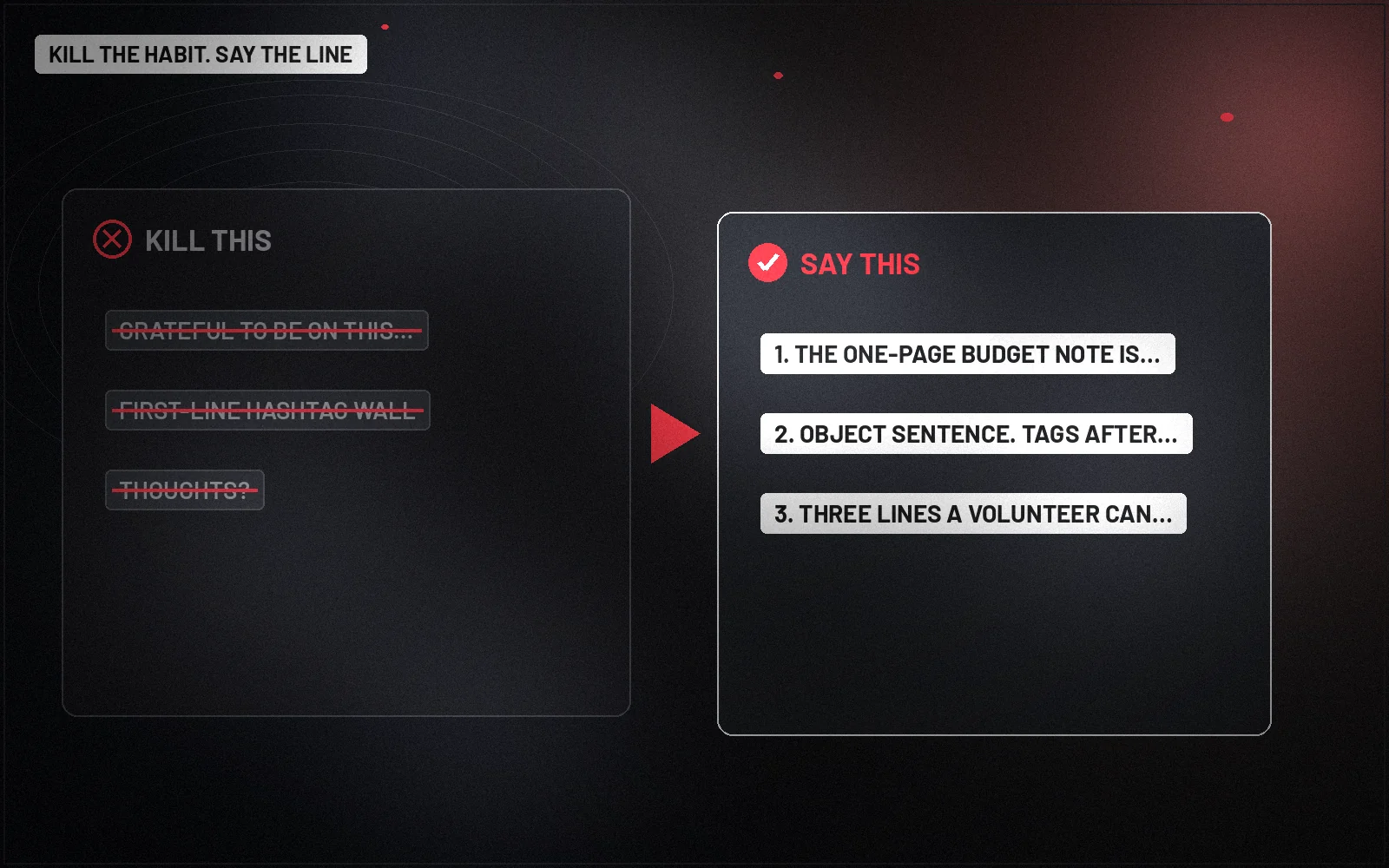
| “Grateful to be on this journey with you all!!!” | No object | “The one-page budget note is live. Link in bio.” |
| First-line hashtag wall | The share preview is noise | Object sentence. Tags after the fold. |
| “Thoughts?” | You outsourced the caption | “Three lines a volunteer can say. Full card at the link.” |
| A second claim the image does not show | Screenshot risk | Describe the leave-behind, then the URL. |
Every right-hand line is illustrative. Swap in your own object and your own link.
What does a paste-ready caption look like?
Three lines. The first carries the object. The second points to the proof. The third is optional and never adds a claim.
Paste lock:
Line one: “The door card is three lines: stake, proof, boundary.”
Line two: “Full card at the link.”
Line three: optional credit. No new claim.
If line two needs a second sentence, the page it points to is doing too little. Fix the page, not the caption.
Caption vs alt vs OG
Three jobs. Do not copy-paste one into the other.
| Field | Job |
|---|---|
| Alt text | What the picture shows |
| On-page caption / social caption | The argument or the ask |
| OG title + description | What the share card promises |
If all three recite the slogan, the page has no object.
The alt names the picture, so a screen reader user gets what a sighted reader gets. The caption argues, because that is what a reader came for. The share card promises what the click will deliver. When one field steals another’s job, two of them go blank.
Why does line one have to survive the share preview?
Because the share is where you lose control. A partner reposts. A reporter screenshots. A group chat forwards the picture with no thread at all.
What survives is the picture and whatever text rode with it. If line one is a greeting, the forward says nothing. If line one is the object, the forward still makes your point, even three chats away from your page.
Test it the ugly way. Screenshot the post on a phone. Crop to the picture and the first line. Send it to someone outside the campaign and ask what the post is about. If they cannot say it back in one breath, rewrite line one.
Where do hashtags go?
After the fold, if at all. Two is plenty. None is fine.
A hashtag wall in line one pushes the object out of the preview and makes the post look like a bot wrote it. Tags help people find a thread. They do not make the argument, so they should never stand where the argument goes.
Taglish or vernacular tags are fine when your audience actually uses them. Do not invent a tag in the morning and expect it to trend by lunch.
Who writes the caption on a night desk?
The person who picked the picture. Not the person who schedules the post at 11pm.
The picker knows why this frame and not the other twelve. That reason is line one. When the caption is written later by someone else, it drifts back to a greeting because a greeting is safe when you do not know the point.
Put the caption on the same card as the picture request: object, line one, link, credit. If the card has no line one, the picture is not ready.
Monday field kit
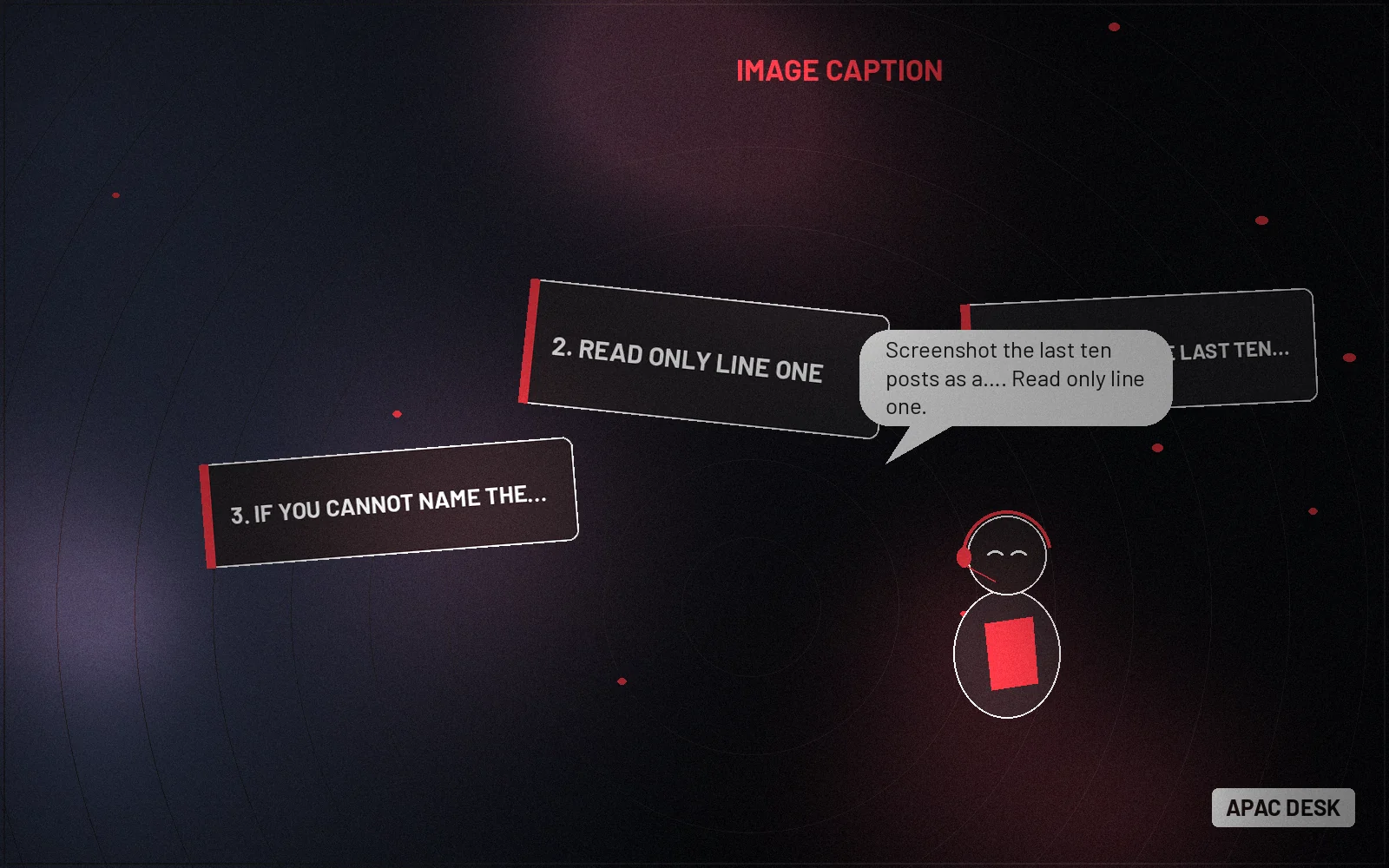
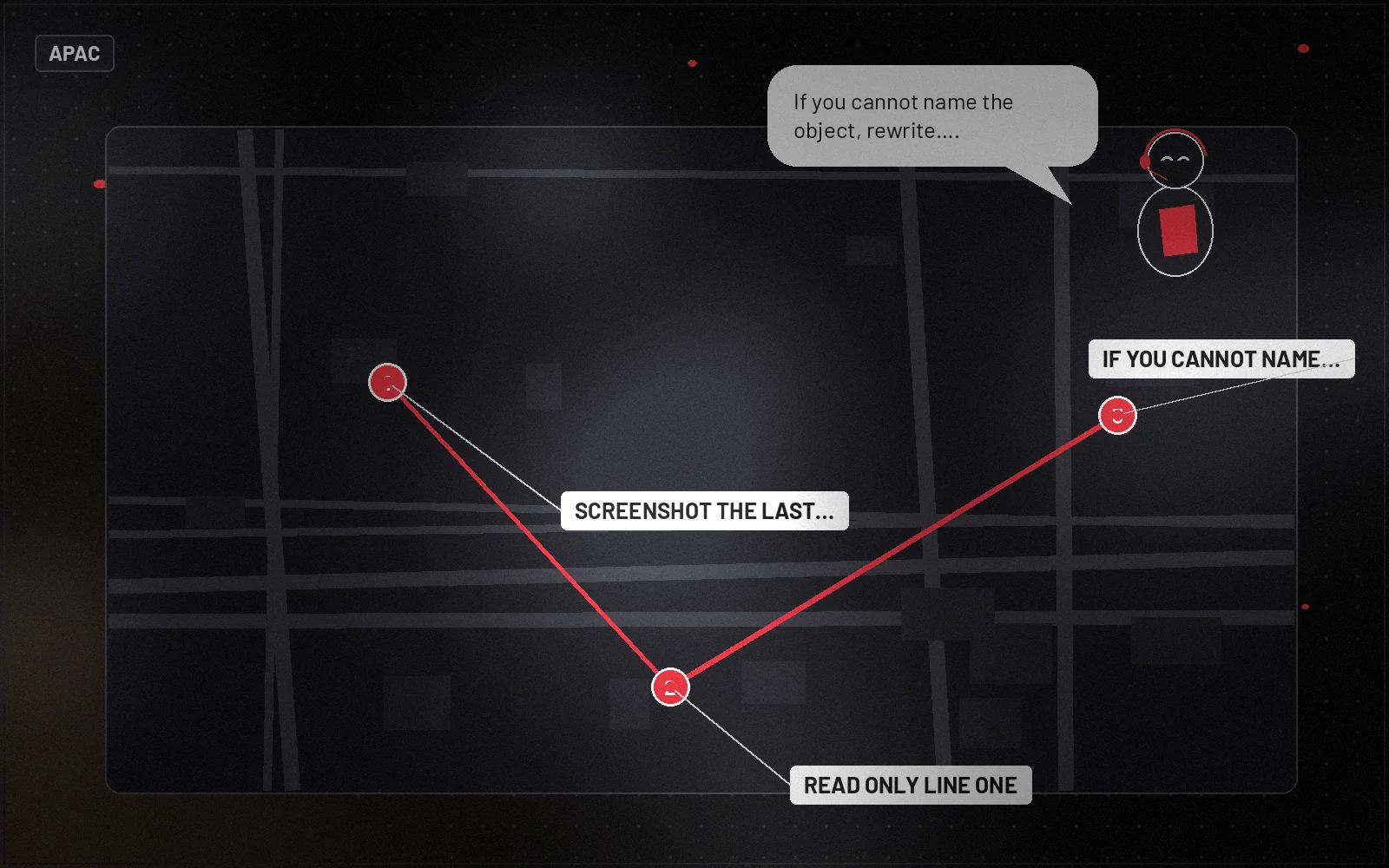
- Screenshot the last ten posts as a stranger would see them.
- Read only line one.
- If you cannot name the object, rewrite line one.
- Move hashtags below the fold.
- Match caption to the on-page H1. If they argue, pick one fight.
FAQs
What is image caption English?
Image caption English is the first visible line under a picture or post that still makes sense on mute and in a share preview. It names the object before it names anything else.
How long should line one be?
Line one should be one breath. If it wraps twice on a phone, cut it.
Do we need a caption if the image has burned-in text?
Yes, a caption is still needed when the image has burned-in text. Burned-in text can be cropped, compressed or hard to read in some previews, and screen readers cannot read it, so line one is the backup.
Should the caption match the alt text?
The caption and the alt text should agree on the object but do different jobs. The alt says what is in the frame, and the caption says why it matters and where to go next.
What to do this week
Rewrite line one on the next five posts before you pick a thumbnail.
Neuwark Communications writes caption and share systems under Digital & Social and Video Production. If your captions still open with a greeting, talk to us at Contact. More desks: Insights.
Communications craft, not legal advice. Check platform, disclosure and image-rights rules with counsel in each market before you publish.
Related: Reel caption English · OG card English APAC · Alt text English APAC · Youth caption English · Coalition caption pack English