
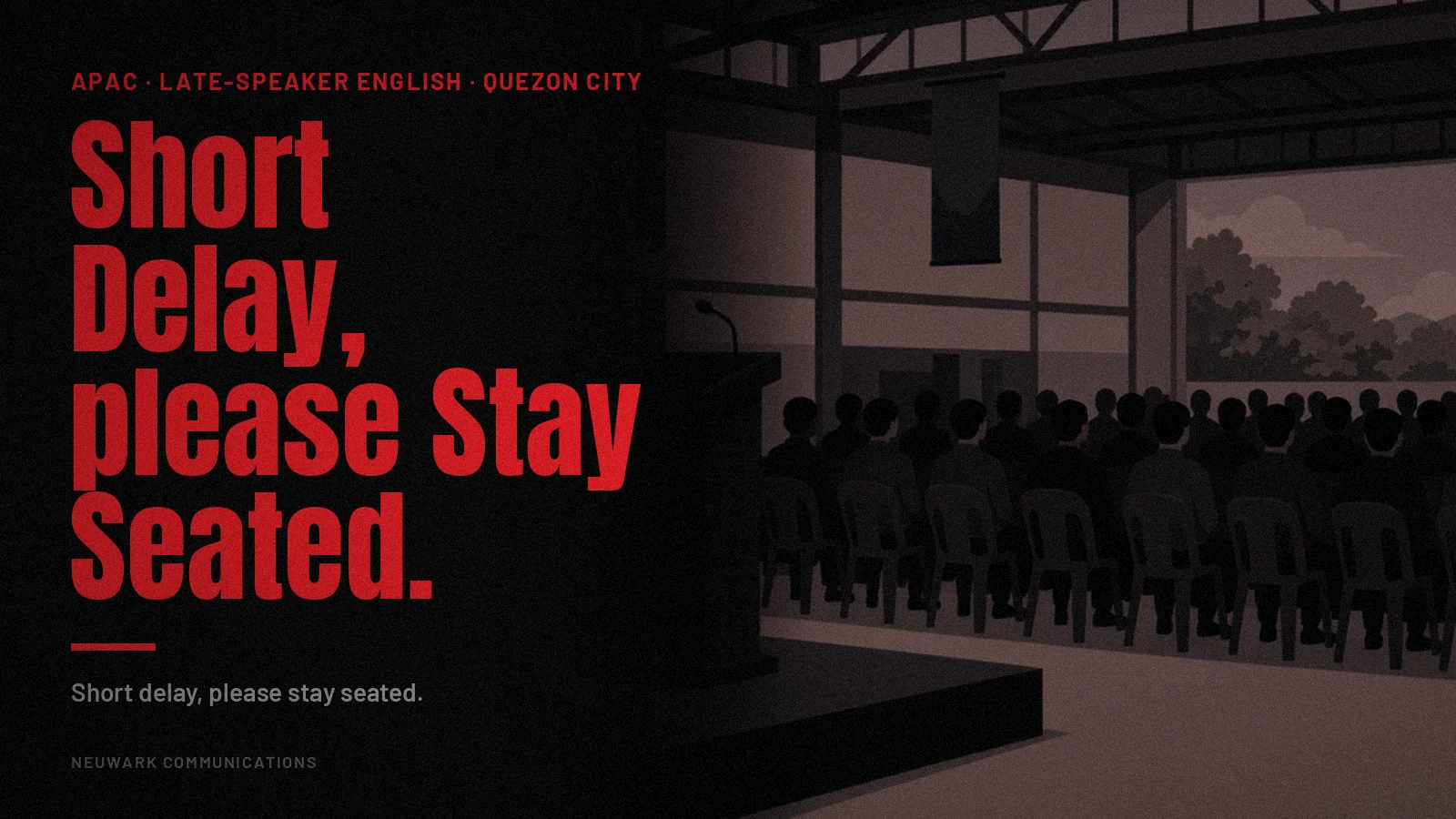
A covered court in Quezon City, forum day.
The seats are full, and the speaker is stuck in traffic.
The emcee looks at the clock, then at the crowd.
Late-speaker line English APAC is the short emcee line when a speaker is running late: short delay, please stay seated, next update soon.
Street-smart APAC English: short sentences a tired operator can say out loud.
Quick answer: A late-speaker line English APAC is what the emcee says when the programme cannot start on time: we have a short delay, please stay seated, and I’ll update you in ten minutes. Say it early, keep the update time, and never blame the speaker.
It speaks to guests already seated; the late arrival text English APAC is for guests who are late. The holding slide line English APAC puts the wait on screen; this line says it out loud.
What goes in a late-speaker line English APAC?
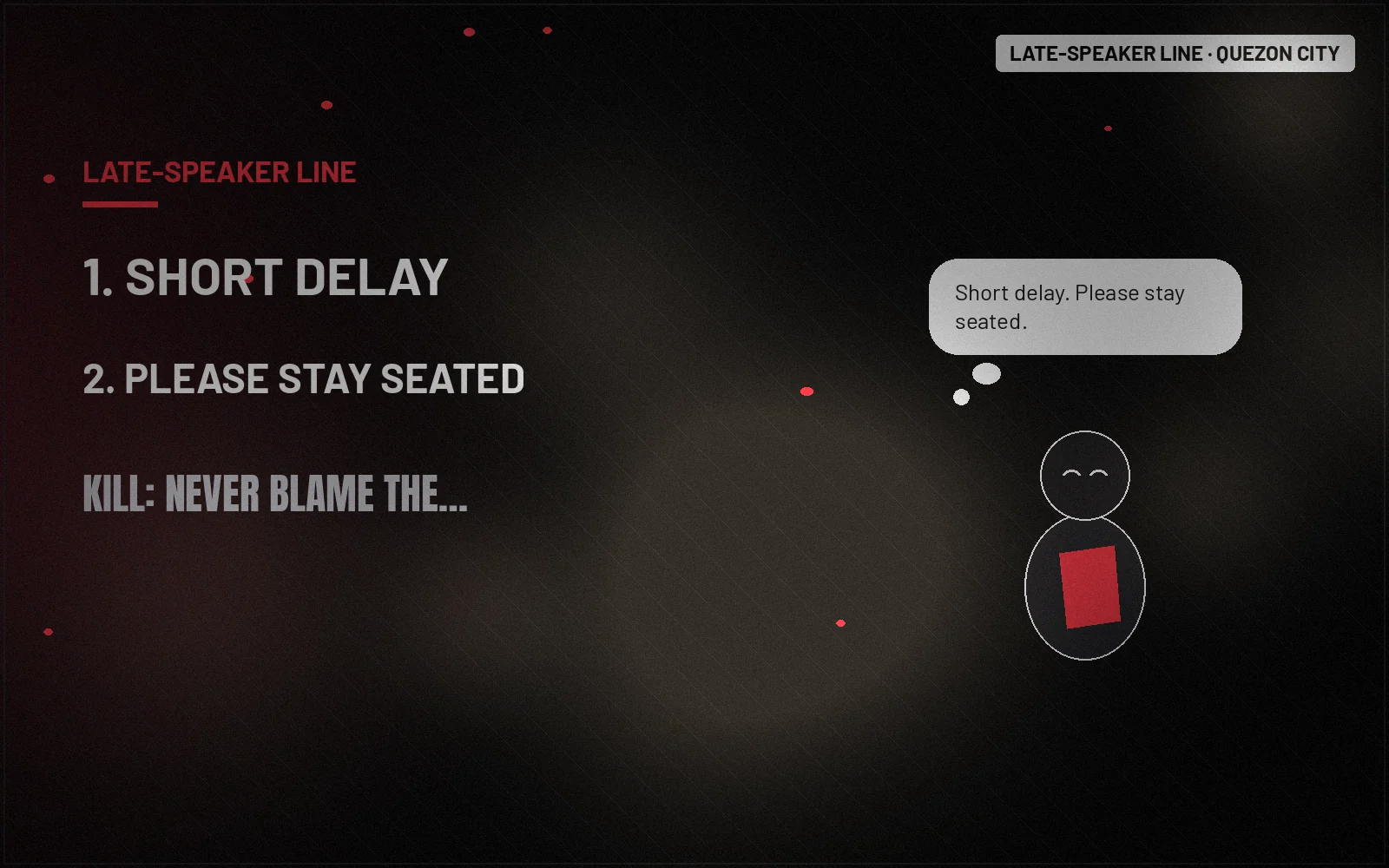
A late-speaker line English APAC has three parts: name the delay, ask the room to stay seated, and give a time for the next update. It does not explain traffic or blame anyone. Clear event language keeps guests in their seats instead of drifting to the doors.
Late-speaker line (illustrative):
“Good afternoon, we have a short delay.”
“Please stay seated, we’ll begin shortly.”
“I’ll update you again in ten minutes.”
How do I announce a speaker delay without losing the room?
Say it before guests start asking, from the stage, in a calm voice. Give one honest update time and keep it. Offer something useful while they wait, such as the programme notes, a short video or a water break. Silence on stage feels longer than any delay.
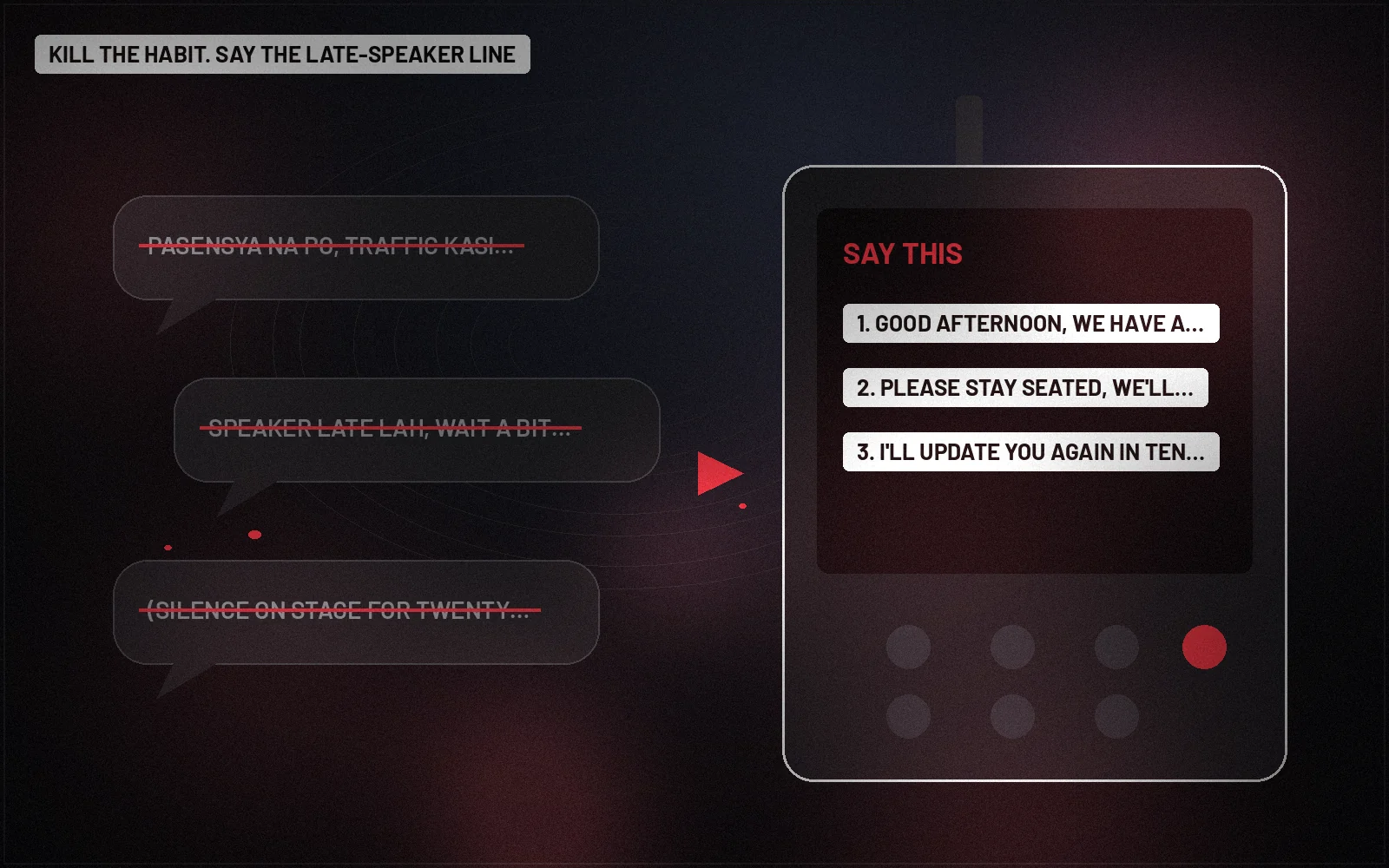
| Kill this | Say this (illustrative) | Why |
|---|---|---|
| Pasensya na po, traffic kasi, hintay lang tayo! | Good afternoon, we have a short delay. | No excuses on the mic |
| Speaker late lah, wait a bit can? | Please stay seated, we’ll begin shortly. | Keeps the room settled |
| (silence on stage for twenty minutes) | I’ll update you again in ten minutes. | Gives a time |
What if the delay keeps getting longer?
Update on time, even when the news is the same. If the wait passes your second update, offer a change: we’ll start with the panel, and our speaker joins after. Agree that fallback with the host organisation before doors. Guests forgive delays more easily than broken promises.
Why does this line work?
It answers the three questions in every guest’s head: is something wrong, should I leave, and how long? Naming the delay calms the first, stay seated answers the second, and an update time answers the third. Keeping the speaker’s name out of it protects their arrival on stage.
The line shifts in word choice only: in the Philippines, add po or sir and ma’am; in Singapore and Malaysia, keep it brisk and plain; in Indonesia, open with Bapak dan Ibu.
PH and SG desk notes
Philippines desk. At a Quezon City covered court, guests may step out for snacks during a delay. Say when to be back, and use the line in English or Filipino.
Singapore and wider APAC desk. In Singapore, guests may leave if no update comes. Keep campaign communications staff off the mic, and update exactly on time.
Paste-ready lock
Speakable lock (illustrative): “Good afternoon, we have a short delay, please stay seated, and I’ll update you again in ten minutes.”
Monday field kit
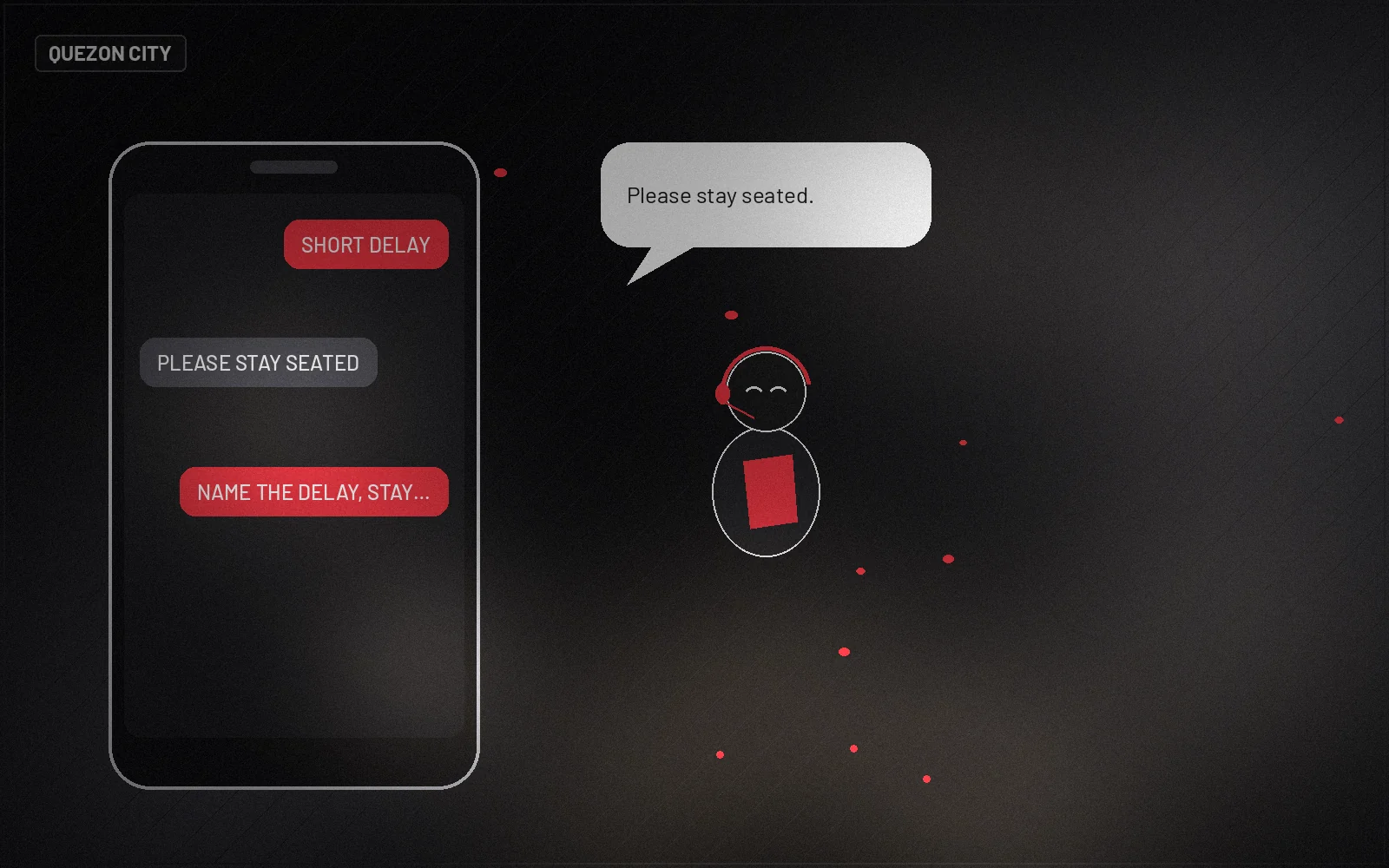
- Name the delay, stay seated, next update time.
- A timer on the emcee’s phone for updates.
- A fallback running order agreed with the host organisation.
- A filler: video, programme notes or a water break.
- Kill rule: never blame the speaker on the mic.
FAQs
What is a late-speaker line English APAC?
A late-speaker line English APAC is the short emcee line used when a speaker is running late. It names the delay, asks guests to stay seated and gives a time for the next update.
What should an emcee say when the speaker is late?
An emcee should name a short delay, ask guests to stay seated and promise an update time, using a late-speaker line English APAC. The emcee should never blame the speaker on the mic.
How often should you update the room during a delay?
Update the room at the time you promised, even if nothing has changed, as the late-speaker line English APAC suggests. If the delay grows, offer a new running order.
What to do this week
- Write the line on the emcee card.
- Agree a fallback running order.
- Set update times before doors.
- Brief the stage manager on the wings cue.
Neuwark Communications builds event scripts and campaign communications as part of our strategy and messaging and digital and social work and wider services. More street-smart lines live in Insights.
Related: Late arrival text English APAC · Holding slide line English APAC
Talk to us about your next event script.
Illustrative lines only. Communications craft, not legal advice.