
The van was due at 5:30. It is 5:50. Twenty people stand at the curb, and nobody has said a word.
Someone books a ride home. By the time the van turns the corner, half the guests have gone.
Shuttle delay text English APAC is the short message people get when the van is late: the delay, the new pickup time, where to wait and who to text.
Street-smart APAC English: short sentences a tired operator can say out loud.
Our rain delay notice English APAC moves the event. Our volunteer no-show text English APAC is for the person who did not arrive. This one is for the van.
What goes in a shuttle delay text English APAC?
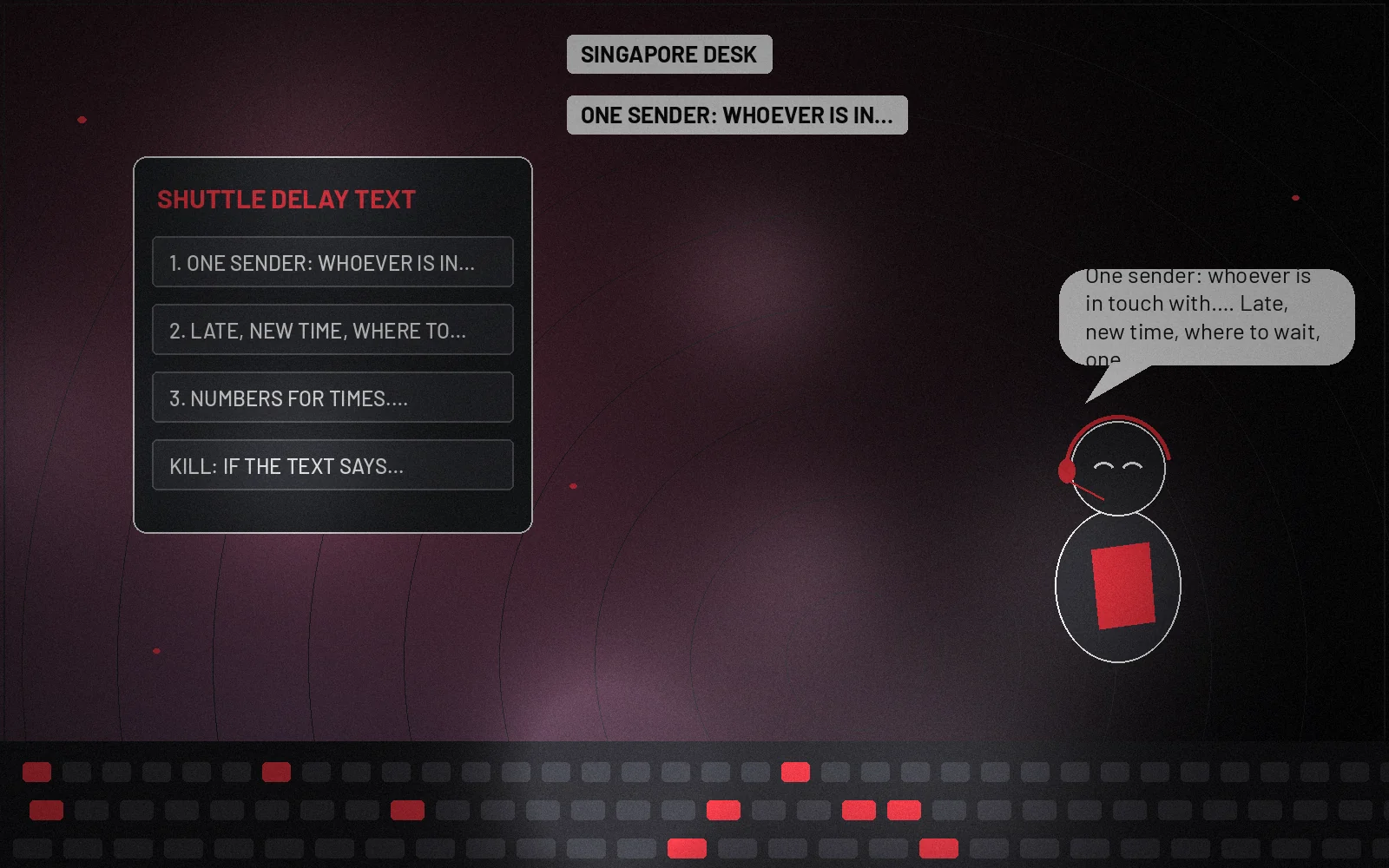
Four things, in this order. Late, new time, where to wait, one contact.
Shuttle delay text (illustrative):
“Shuttle running late. New pickup: 6:05pm.”
“Same stop, by the waiting shed on the main road.”
“Questions: text Jo on this number.”
Put “late” in the first line. Some people only read the lock screen.
Why a new time instead of “soon”?
Because “soon” makes people guess, and guessing turns into leaving. A time lets them decide to stay.
If you do not know the time yet, say when you will know.
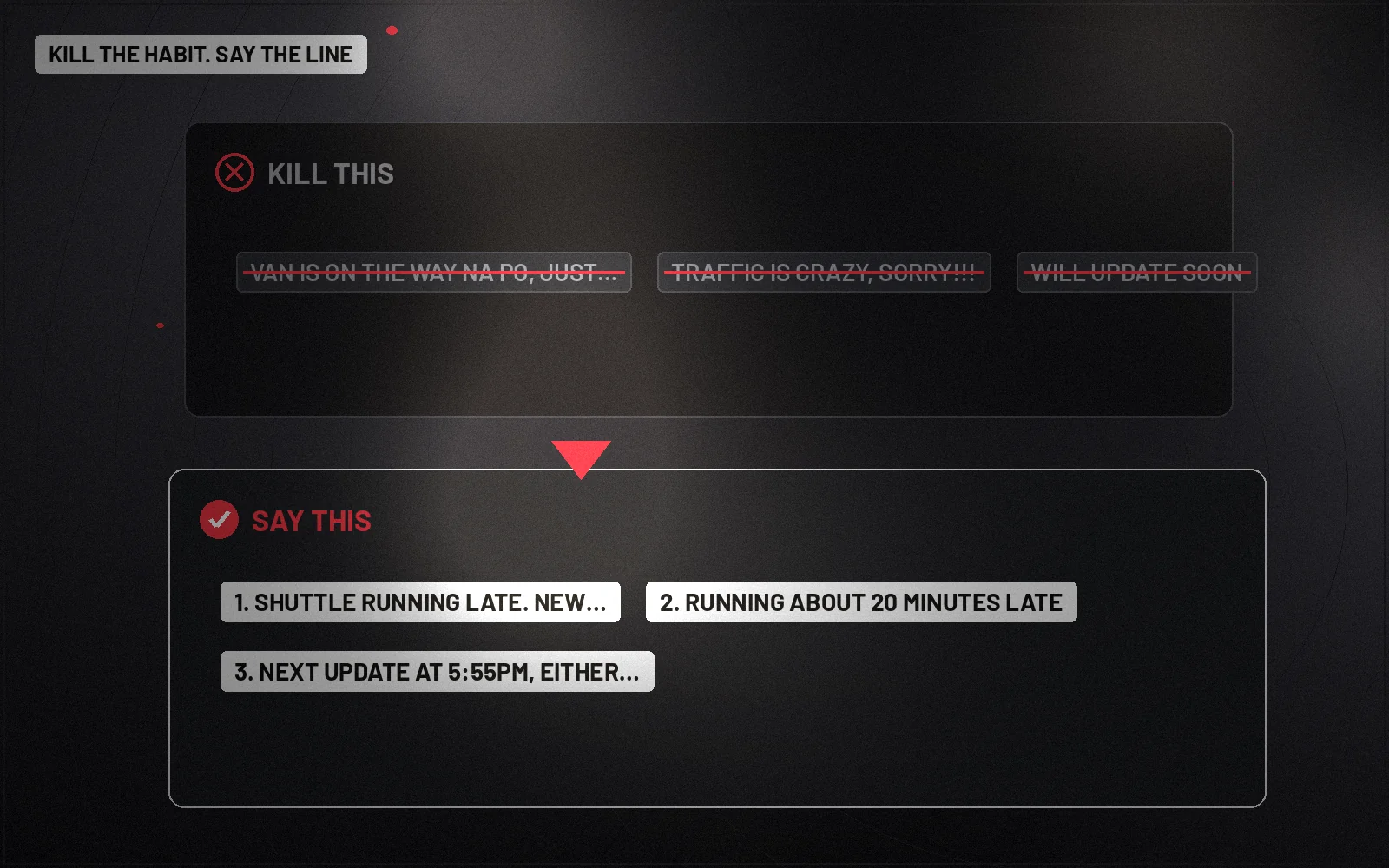
| Kill this | Say this (illustrative) | Why |
|---|---|---|
| Van is on the way na po, just wait | Shuttle running late. New pickup: 6:05pm. | Status and time first |
| Traffic is crazy, sorry!!! | Running about 20 minutes late. | Plain reason, no drama |
| Will update soon | Next update at 5:55pm, either way. | A time for the next word |
| Meet somewhere near the gate | Same stop, by the waiting shed. | One clear place |
Who sends it, and when?
One person: whoever is in touch with the driver. They send as soon as the van is running behind, before the curb starts asking.
Then again only when the time changes or the van is close. Two clear texts beat six worried ones.
Everyone else forwards the same words. Nobody writes their own version in the group chat.
What if the van is not coming?
Say it plainly and give the other option in the same text.
Shuttle cancelled (illustrative):
“Shuttle cancelled tonight, sorry.”
“Next pickup at 6:30pm, same stop. Reply here if you need help getting home.”
Never leave people at the curb without a next step.
How does this play out in PH and SG?
Same four lines. Different streets.
Philippines desk. Pickups often happen on busy roads where vans cannot wait long. Name a landmark people can see, like a waiting shed or a gate, not a street number. Send in the language of the group chat, and keep times in numbers.
Singapore and wider APAC desk. Pickup points are often set by the venue. Use the venue’s own name for the point, keep times exact, and say clearly if the pickup point changes.
Monday field kit
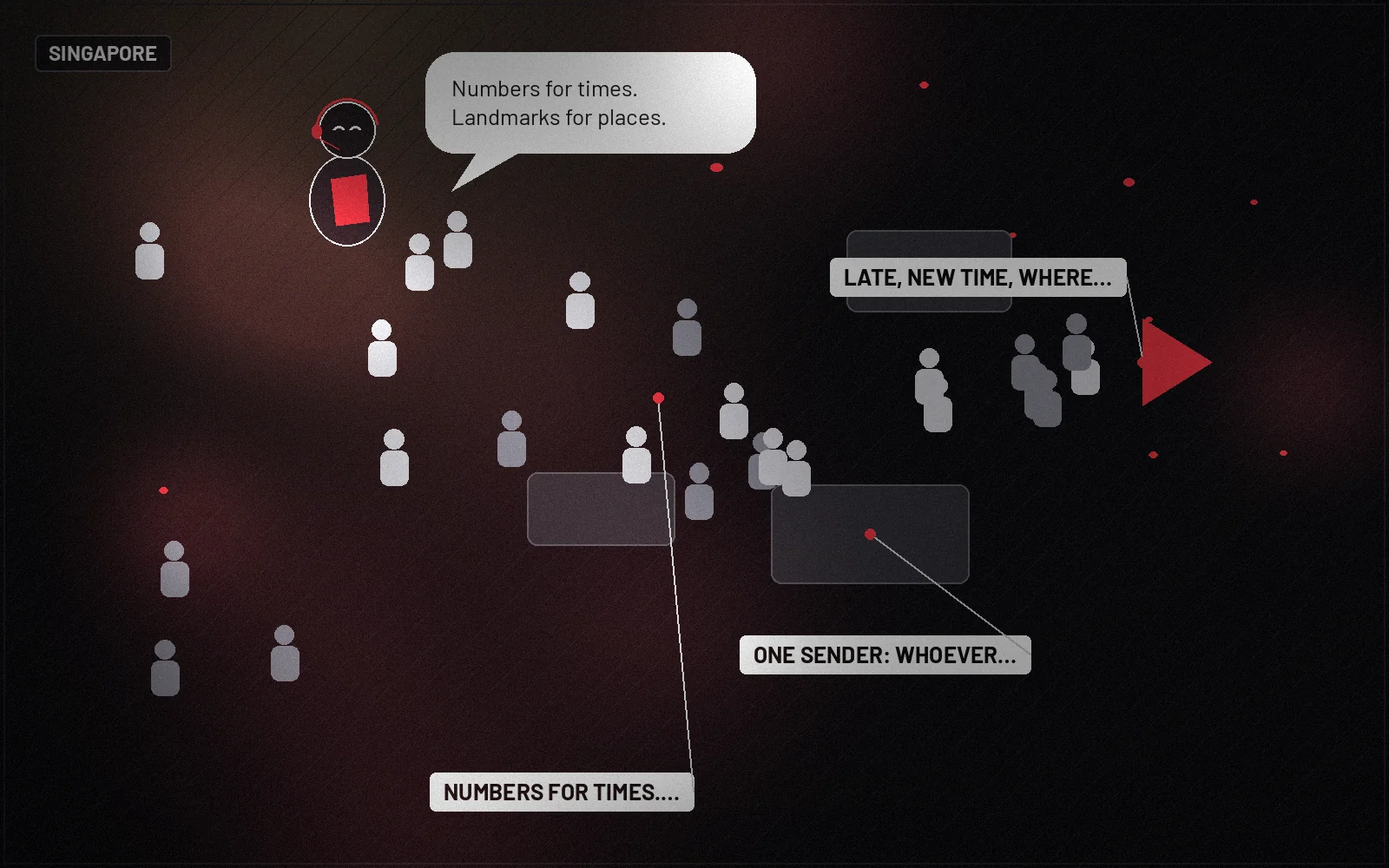
- One sender: whoever is in touch with the driver.
- Late, new time, where to wait, one contact.
- Numbers for times. Landmarks for places.
- A next update time in every text.
- Kill rule: if the text says “soon” without a time, do not send it.
What to do this week
- Draft the delay text and the cancelled text before your next shuttle run.
- Name the sender and give them the driver’s number.
- Pick one landmark for each pickup point.
- Test both on a volunteer who has never been to the stop.
FAQs
What is a shuttle delay text English APAC?
It is the short message people get when the van is late: the delay, the new pickup time, where to wait and who to text. It keeps people at the stop instead of leaving.
Should the text say why the van is late?
Only in a few plain words, like “running late”. Do not blame the driver, the venue or anyone else.
How many texts should we send?
Usually two: the delay, then the arrival or any change. Send more only when something changes.
Neuwark Communications builds event and field messaging as part of our services, including Digital & Social. If your guests keep waiting at the curb with no word, talk to us at Contact. More language companions live in Insights.
Communications craft, not legal advice. Counsel checks consent, contact-data and platform rules before you text guests.
Related: Rain delay notice English APAC · Volunteer no-show text English APAC